Korean Pork Belly
Highlighted under: Cultural Kitchen
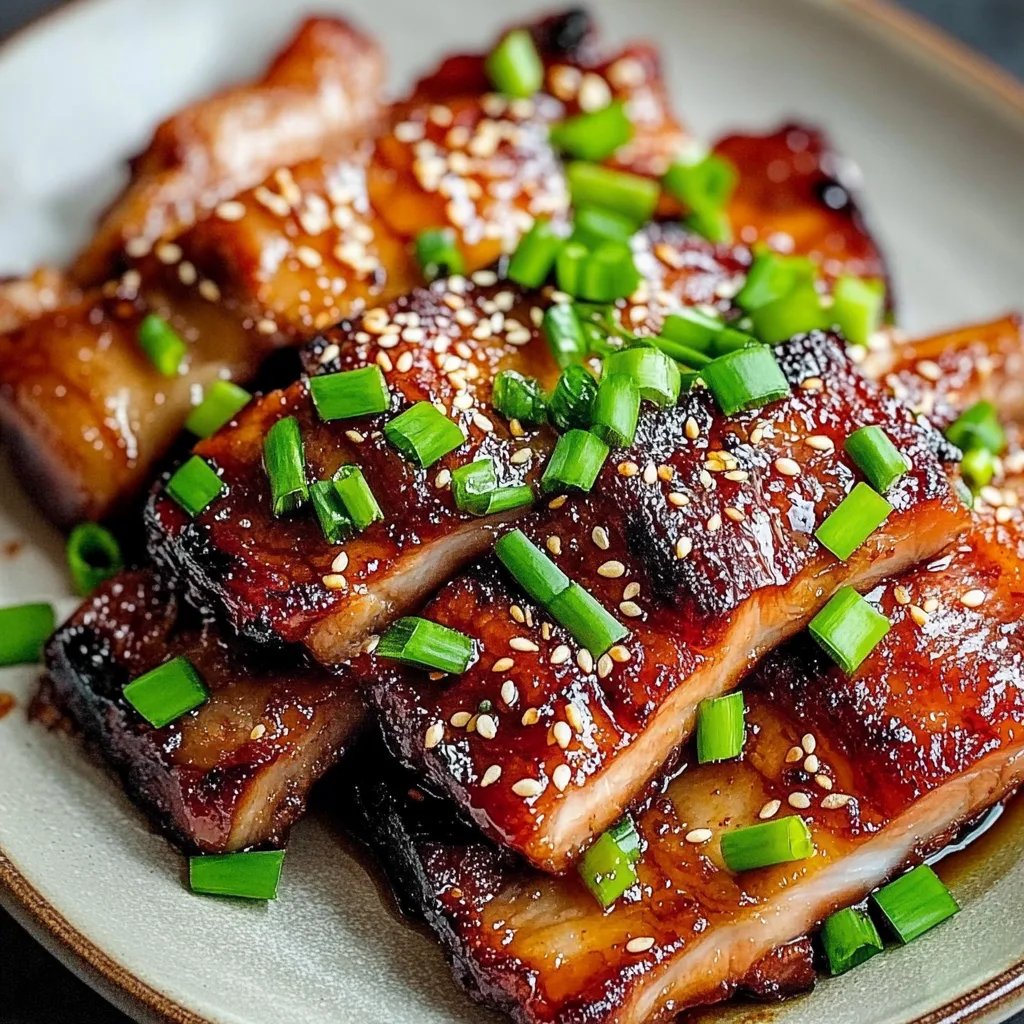
Savor the rich and savory taste of this Korean Pork Belly recipe, showcasing beautifully marbled meat that melts in your mouth. This dish combines traditional flavors with a delightful marinade, resulting in crispy edges and tender bites. Perfect for grilling or roasting, it's a fantastic addition to any dinner table that will impress family and friends alike.
This Korean Pork Belly recipe is a perfect blend of flavors and texture.
Understanding Pork Belly
Pork belly is a popular cut of meat known for its rich flavor and soft texture. It's prominently featured in various cuisines around the world, where its natural marbling delivers a mouthwatering experience. In Korean cuisine, pork belly is especially cherished, often grilled or roasted for a delightful balance of crispy and tender. Understanding the right preparation techniques can enhance the flavor and texture, making your meals even more enjoyable.
When selecting pork belly, look for evenly distributed marbling and a fresh appearance. The high-fat content in this cut ensures that it remains juicy during cooking, making it perfect for recipes that require longer cooking times. Additionally, controlling the cooking temperature is crucial to achieving the ideal level of crispiness on the skin while keeping the meat tender.
By leveraging flavorful marinades, such as the one in this recipe, you can elevate even the simplest pork belly dishes. The marriage of savory, sweet, and spicy flavors enhances the meat's natural taste, making it an impressive dish for gatherings or family dinners.
Cooking Techniques
There are various cooking methods for pork belly, with grilling and roasting being the most popular. Grilling allows you to achieve a unique smoky flavor, while roasting in the oven helps to render the fat slowly, leading to a beautifully crispy skin. In either case, preheating your oven or grill is essential to ensure even cooking and browning.
Another technique worth exploring is braising, which involves cooking the pork belly slowly in liquid. This method results in incredibly tender meat that can fall apart with a fork. Regardless of the technique used, patience is key; allowing the meat to rest after cooking will enhance its juiciness and flavor.
Don't be afraid to experiment with different marinades and seasoning blends. Each combination can yield a distinct flavor profile, allowing you to customize the dish to your tastes and preferences.
Serving Suggestions
Korean pork belly is versatile and can be served in various ways. It can be sliced and enjoyed on its own as a main dish, or you can serve it alongside traditional Korean accompaniments like kimchi and pickled vegetables. The contrast of flavors and textures adds depth to your meal, making it more enjoyable for everyone at the table.
Alternatively, you can create a fun DIY wrap station. Serve the grilled or roasted pork belly with fresh lettuce leaves, sliced garlic, and a variety of condiments, allowing your guests to assemble their wraps to their liking. This interactive style of dining makes gatherings more memorable and engaging.
You can also pair your pork belly with fragrant rice or noodles to create a complete meal. Drizzling the pork with extra marinade or a spicy sauce can elevate the dish further, making it a highlight of your culinary repertoire.
Ingredients
Main Ingredients
- 1 kg pork belly
- 2 tbsp soy sauce
- 2 tbsp sesame oil
- 3 cloves garlic, minced
- 1 inch ginger, grated
- 2 tbsp brown sugar
- 1 tsp black pepper
- 2 green onions, chopped
- 1 tbsp gochugaru (Korean red pepper flakes)
Make sure to prepare all your ingredients before starting the cooking process.
Cooking Steps
Prepare the Marinade
In a bowl, combine soy sauce, sesame oil, garlic, ginger, brown sugar, black pepper, green onions, and gochugaru.
Marinate the Pork Belly
Place the pork belly in a large zip-top bag and pour the marinade over it. Seal and refrigerate for at least 1 hour, preferably overnight.
Cook the Pork Belly
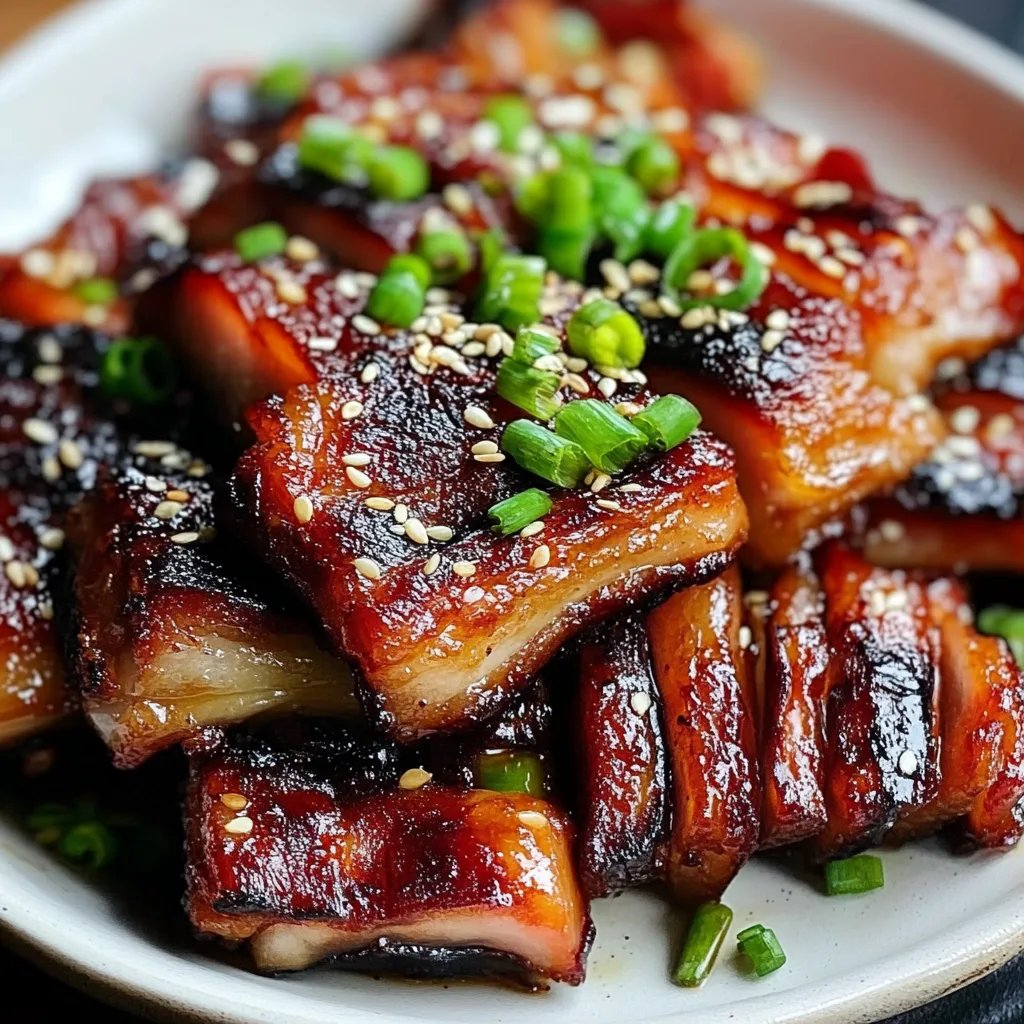
Preheat your oven to 200°C (400°F). Place the marinated pork belly on a baking tray and roast for about 1 hour, or until the skin is crispy.
Let the pork belly rest for a few minutes before slicing and serving.
Pro Tips
For extra crispy skin, place the pork belly under the broiler for the last few minutes of cooking.
Nutritional Information
Pork belly is generally high in fat, which contributes significantly to its flavor and texture. A typical serving contains a good amount of protein, making it a filling dish. While it's not the leanest choice, enjoying it in moderation can be part of a balanced diet. To mitigate the richness, consider pairing it with plenty of vegetables to add fiber and additional nutrients to your meal.
Moreover, when preparing pork belly, be mindful of the seasoning and marinade ingredients to keep sodium levels in check. Opting for low-sodium soy sauce and controlling the amount of added sugar can help you maintain a healthier profile while still enjoying the fantastic flavors that this dish offers.
Storing Leftovers
If you have leftover pork belly, store it in an airtight container in the refrigerator. Properly stored, it can last for up to three days. To reheat, consider a gentle approach, such as warming it in the oven or pan-frying it to regain its crispy texture. Avoid microwaving as it can make the pork rubbery.
For longer storage, you can freeze the leftovers. Slicing the pork belly before freezing makes it easier to thaw individual portions as needed. When ready to enjoy again, thaw in the refrigerator overnight before reheating to maintain the best flavor and texture.
Exploring Variations
Once you’ve mastered the basic Korean pork belly recipe, consider experimenting with different flavors. Adding fruit juices, such as orange or apple, to your marinade can introduce a subtle sweetness that complements the savory elements beautifully. Garlic or onion powder can also provide an extra layer of depth to the seasoning.
You can also explore different types of chili flakes if you're looking for variations in heat and flavor. Each region in Korea has its own preferred style of gochugaru, ranging from mild to intensely spicy. Experimenting with these can help you discover your unique take on this delicious dish.
Questions About Recipes
→ Can I use a different cut of meat?
While pork belly is ideal for this dish, you can experiment with pork shoulder for a different texture.
→ What can I serve with Korean Pork Belly?
This dish pairs well with rice, pickled vegetables, and a side of kimchi.
Korean Pork Belly
Created by: Madeline Archer
Recipe Type: Cultural Kitchen
Skill Level: Intermediate
Final Quantity: 4 servings
What You'll Need
Main Ingredients
- 1 kg pork belly
- 2 tbsp soy sauce
- 2 tbsp sesame oil
- 3 cloves garlic, minced
- 1 inch ginger, grated
- 2 tbsp brown sugar
- 1 tsp black pepper
- 2 green onions, chopped
- 1 tbsp gochugaru (Korean red pepper flakes)
How-To Steps
In a bowl, combine soy sauce, sesame oil, garlic, ginger, brown sugar, black pepper, green onions, and gochugaru.
Place the pork belly in a large zip-top bag and pour the marinade over it. Seal and refrigerate for at least 1 hour, preferably overnight.
Preheat your oven to 200°C (400°F). Place the marinated pork belly on a baking tray and roast for about 1 hour, or until the skin is crispy.
Extra Tips
For extra crispy skin, place the pork belly under the broiler for the last few minutes of cooking.
Nutritional Breakdown (Per Serving)
- Protein: 30g
- Fat: 70g
- Carbohydrates: 5g