Lemon Ricotta Ravioli with Butter Sage
Highlighted under: Heartfelt Meals
I love making Lemon Ricotta Ravioli with Butter Sage because it perfectly combines fresh flavors with a rich, buttery sauce. The bright acidity of the lemon cuts through the creamy ricotta, creating a delightful balance that I can’t resist. Each bite melts in my mouth, and the hand-rolled pasta adds a touch of rustic elegance. While it may seem a bit daunting, I find the process immensely satisfying, from making the pasta dough to forming the ravioli. It’s a dish that never fails to impress at my dinner table.
When I first tried making Lemon Ricotta Ravioli with Butter Sage, I was surprised by how intuitive it was to make the pasta from scratch. Using fresh ingredients like ricotta and lemon zest elevated the flavors. I learned that adding a pinch of nutmeg to the filling gives it a unique depth that complements the dish beautifully.
As I perfected the cooking technique, I discovered that a gentle simmer in the butter sage sauce really allows the flavors to meld together without overwhelming the delicate pasta. This dish is now a staple in my recipe collection and always garners compliments!
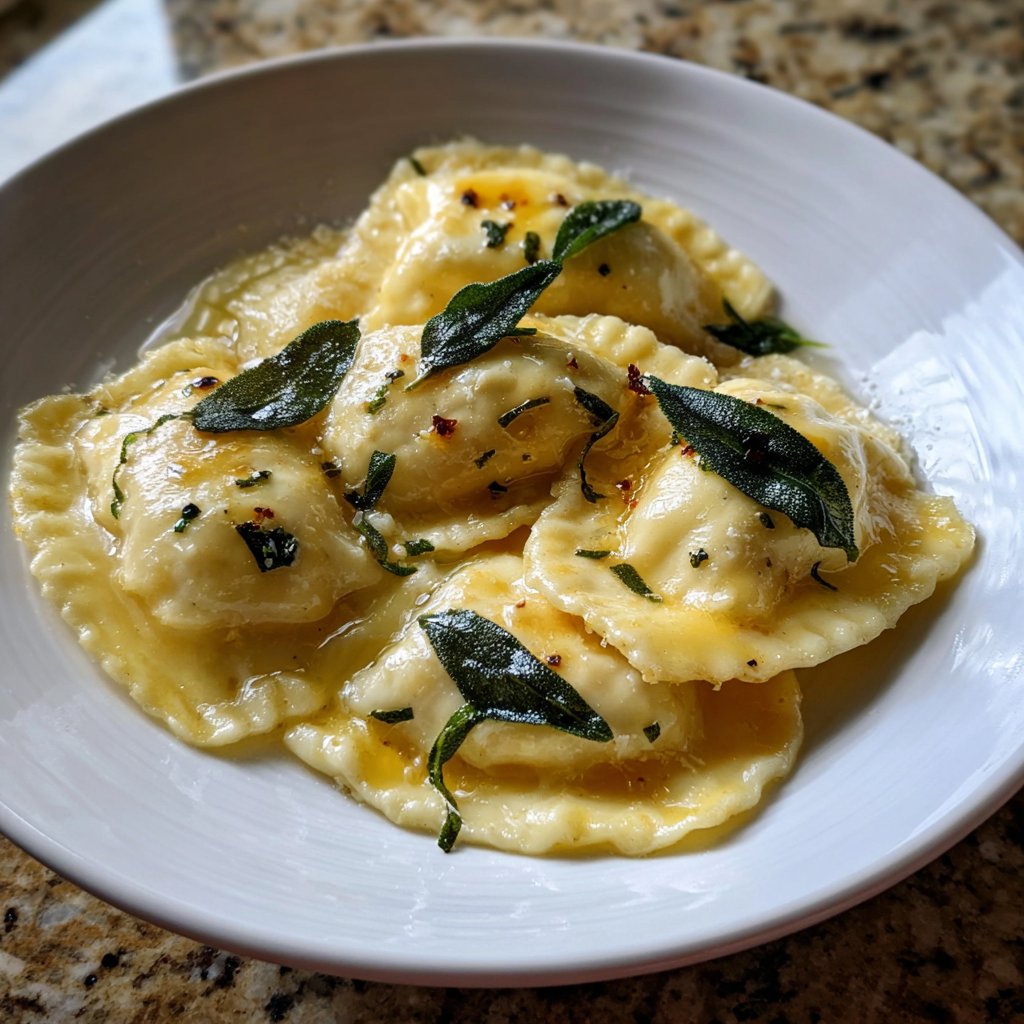
Why You'll Love This Recipe
- Refreshing lemon zest that brightens up the dish
- Rich and creamy ricotta filling that is incredibly satisfying
- Buttery sage sauce adds a touch of sophistication
- A delightful homemade pasta experience that impresses friends and family
Mastering the Pasta Dough
Making the pasta dough is a crucial step in achieving a delicious ravioli. Using high-quality all-purpose flour will yield a better texture, so consider opting for Italian '00' flour if available. When mixing the dough, aim for a consistent, slightly tacky feel. If your dough is too dry, a tiny splash of water can help; conversely, if it’s too sticky, a dusting of flour will do the trick. Allowing the dough to rest enhances its elasticity, making it easier to roll out seamlessly.
Kneading is vital for developing gluten, which gives the dough its structure. Be patient and knead for the full 10 minutes until the dough is smooth and elastic; it should bounce back when pressed. To check if your dough is ready, perform a simple stretch test: pull a small piece and see if it stretches without breaking. If it tears easily, it needs more kneading. After resting, the dough should be pliable but still firm enough to maintain its shape.
Tips for the Perfect Filling
The filling is where the flavor truly shines in these Lemon Ricotta Ravioli. A high-quality ricotta is essential for the best texture and taste. Fresh ricotta will offer a creamy richness, while store-bought might be drier. For a hint of tang, you might consider mixing in a bit of mascarpone cheese. When incorporating the lemon zest, use a microplane for the finest result; this ensures the zest distributes evenly without any large pieces in the filling.
Taste your filling before sealing the ravioli. Adjust the seasoning, as flavors diminish slightly during cooking. If you're a fan of herbs, a pinch of fresh basil or parsley could complement the lemon nicely. Remember that overfilling the ravioli can lead to bursting during cooking. A teaspoon of filling per ravioli is ideal, giving enough room for sealing while still packing in the flavor.
Serving and Pairing Ideas
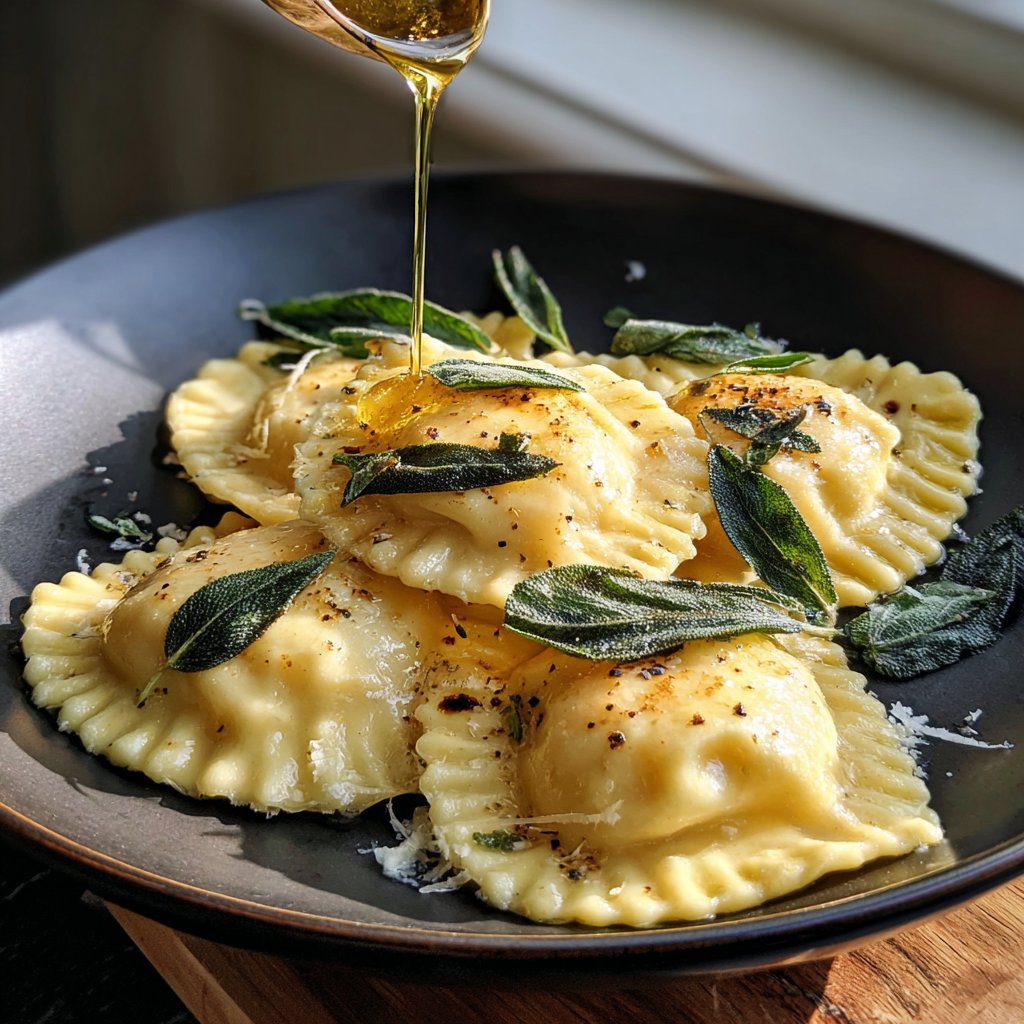
When serving these Lemon Ricotta Ravioli, the simple butter sage sauce is the perfect accompaniment, but don’t shy away from adding extras. A sprinkle of toasted pine nuts or a drizzle of extra virgin olive oil can elevate the dish further. Consider a side of sautéed greens, like spinach or kale, which can provide both color and nutritional balance. A crisp green salad with a light vinaigrette can also contrast beautifully with the richness of the ravioli.
If you’re making these for a gathering, prepare the ravioli ahead of time. They can be frozen before cooking, just make sure they are in a single layer to avoid sticking together. When ready to serve, cook them straight from the freezer for an extra minute or two. This dish can also be doubled or halved easily, ensuring you have just the right amount for any occasion.
Ingredients
For the Ravioli
- 2 cups all-purpose flour
- 3 large eggs
- 1/2 teaspoon salt
- 1 cup ricotta cheese
- Zest of 1 lemon
- 1/4 teaspoon nutmeg
- Salt and pepper to taste
For the Butter Sage Sauce
- 1/2 cup unsalted butter
- 12 fresh sage leaves
- Salt to taste
- Grated Parmesan cheese for serving
Make sure to use fresh ricotta for the best flavor!
Instructions
Make the Pasta Dough
On a clean surface, mound the flour and create a well in the center. Add the eggs and salt into the well and gently mix with a fork, incorporating the flour little by little until a dough forms. Knead the dough for about 10 minutes until smooth and elastic. Wrap in plastic wrap and let it rest for 30 minutes.
Prepare the Filling
In a bowl, mix the ricotta, lemon zest, nutmeg, salt, and pepper. Adjust seasoning to taste.
Roll Out the Dough
Divide the dough into four pieces, keeping the remaining portions covered. Roll out each piece as thinly as possible using a pasta machine or rolling pin.
Form the Ravioli
Cut the rolled dough into squares or circles. Place a teaspoon of filling on one half of each piece, brush the edges with a bit of water, and fold over to seal. Make sure to press out any air pockets.
Cook the Ravioli
Bring a large pot of salted water to a boil. Cook the ravioli in batches for about 3-4 minutes or until they float. Remove with a slotted spoon.
Make the Butter Sage Sauce
In a skillet, melt the butter over medium heat. Add the sage leaves and cook until the butter is golden and the sage is crispy.
Combine and Serve
Add the cooked ravioli to the skillet with the butter sage sauce, tossing gently to coat. Serve immediately with grated Parmesan cheese.
Enjoy your delicious homemade pasta!
Pro Tips
- For extra flavor, consider adding a touch of garlic to the butter sage sauce. Be careful not to overcook the ravioli to maintain their delicate texture.
Ingredient Substitutions
This recipe is versatile when it comes to fillings. If ricotta is not available, you can substitute it with cottage cheese that’s been well-drained and blended to a smooth consistency. For a lighter option, use mascarpone mixed with crème fraîche for a unique twist. If you wish to avoid dairy altogether, a blended mixture of silken tofu, nutritional yeast, and lemon zest can create a vegan-friendly filling that mimics ricotta's texture and flavor profile.
In addition to the butter sage sauce, consider switching up the fat. Browned butter can add a rich, nutty flavor, while olive oil offers a lighter touch. You could also enhance the sauce with toasted garlic or a splash of white wine for added depth. Fresh herbs like thyme or oregano can replace sage, depending on your preference and what you have on hand.
Cooking Techniques
When cooking the ravioli, ensure that the water is at a rolling boil and salted generously. This not only flavors the pasta but also helps maintain its structure during cooking. Use a gentle stir initially to prevent the ravioli from sticking to each other, and be patient. As they cook, you’ll notice them rising to the surface, which is a sign they’re ready to be removed.
If your ravioli start clumping together while cooking, it may indicate they need more water or that they weren't sufficiently dried before placing in the pot. To avoid this, let the ravioli sit for about 30 minutes after assembling and dust them lightly with flour. This resting time helps to create a slightly firmer exterior that holds up better in boiling water.
Plating Perfection
Presentation can elevate the dining experience; consider serving the ravioli in shallow bowls. This allows the butter sage sauce to pool beautifully beneath the ravioli. For a touch of elegance, finish with a light grating of lemon zest and a sprinkle of freshly cracked black pepper. Garnishing with additional fried sage leaves provides both visual interest and an aromatic contrast.
When adjusting the portion size, remember that ravioli can be rich. A serving size of around 6-8 pieces is usually sufficient as a main course, especially when paired with a side dish. If you are serving multiple courses, feel free to reduce the serving size to make room for appetizers or dessert.
Questions About Recipes
→ Can I use store-bought ravioli instead?
Absolutely! While homemade is great, store-bought can save time and still pair wonderfully with the butter sage sauce.
→ How can I make this dish vegetarian?
This recipe is already vegetarian! Just ensure the ricotta is rennet-free if you want it to be vegetarian-friendly.
→ Can I freeze the ravioli?
Yes, you can freeze the uncooked ravioli. Simply place them on a baking sheet to freeze individually before transferring to a freezer bag.
→ What can I substitute for ricotta?
You may use cottage cheese, but be sure to blend it until smooth for a similar texture.
Lemon Ricotta Ravioli with Butter Sage
Created by: Madeline Archer
Recipe Type: Heartfelt Meals
Skill Level: Intermediate
Final Quantity: 4 servings
What You'll Need
For the Ravioli
- 2 cups all-purpose flour
- 3 large eggs
- 1/2 teaspoon salt
- 1 cup ricotta cheese
- Zest of 1 lemon
- 1/4 teaspoon nutmeg
- Salt and pepper to taste
For the Butter Sage Sauce
- 1/2 cup unsalted butter
- 12 fresh sage leaves
- Salt to taste
- Grated Parmesan cheese for serving
How-To Steps
On a clean surface, mound the flour and create a well in the center. Add the eggs and salt into the well and gently mix with a fork, incorporating the flour little by little until a dough forms. Knead the dough for about 10 minutes until smooth and elastic. Wrap in plastic wrap and let it rest for 30 minutes.
In a bowl, mix the ricotta, lemon zest, nutmeg, salt, and pepper. Adjust seasoning to taste.
Divide the dough into four pieces, keeping the remaining portions covered. Roll out each piece as thinly as possible using a pasta machine or rolling pin.
Cut the rolled dough into squares or circles. Place a teaspoon of filling on one half of each piece, brush the edges with a bit of water, and fold over to seal. Make sure to press out any air pockets.
Bring a large pot of salted water to a boil. Cook the ravioli in batches for about 3-4 minutes or until they float. Remove with a slotted spoon.
In a skillet, melt the butter over medium heat. Add the sage leaves and cook until the butter is golden and the sage is crispy.
Add the cooked ravioli to the skillet with the butter sage sauce, tossing gently to coat. Serve immediately with grated Parmesan cheese.
Extra Tips
- For extra flavor, consider adding a touch of garlic to the butter sage sauce. Be careful not to overcook the ravioli to maintain their delicate texture.
Nutritional Breakdown (Per Serving)
- Calories: 420 kcal
- Total Fat: 28g
- Saturated Fat: 15g
- Cholesterol: 170mg
- Sodium: 200mg
- Total Carbohydrates: 40g
- Dietary Fiber: 2g
- Sugars: 3g
- Protein: 12g